Whole Child Education Through an AI Buildathon
An AI buildathon can help young people use technology to create value, solve problems, and practice learning through action.
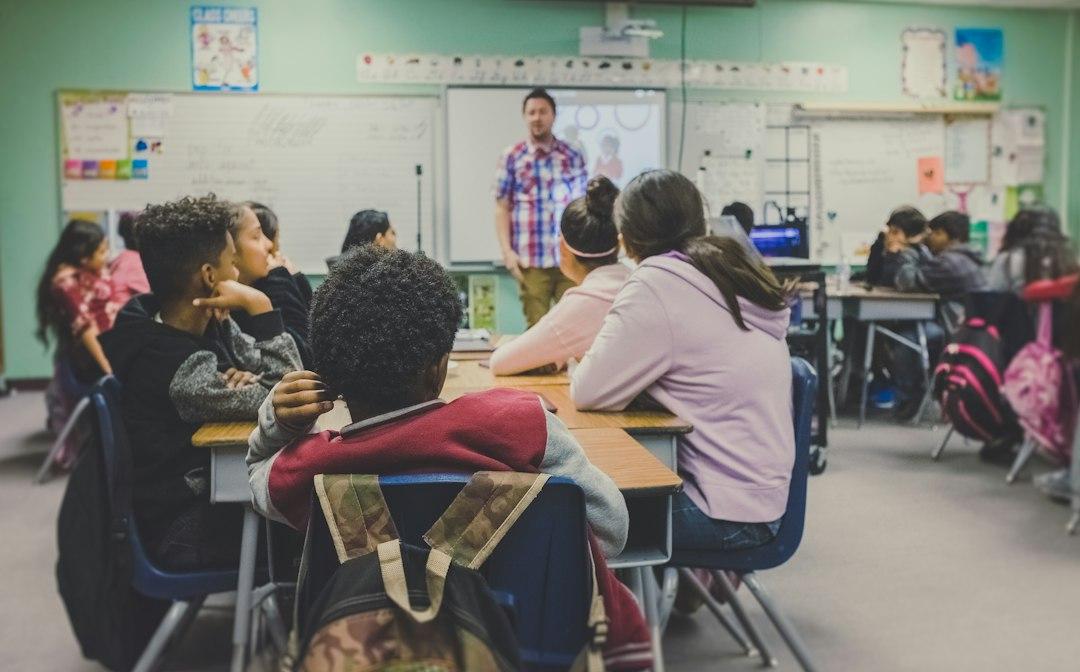
I was a school principal for many years and an English teacher before that. In 2020, I left education proper to be a consultant and help schools, leaders, and districts do some cool things with their staff and students.
Project Paideia is an effort by a group of dads to create something better for our kids and their education. The Project Paideia AI buildathon is one way we are helping young people experience the power of AI in a positive way by building something themselves.
An AI Buildathon Gives Kids a Chance to Build
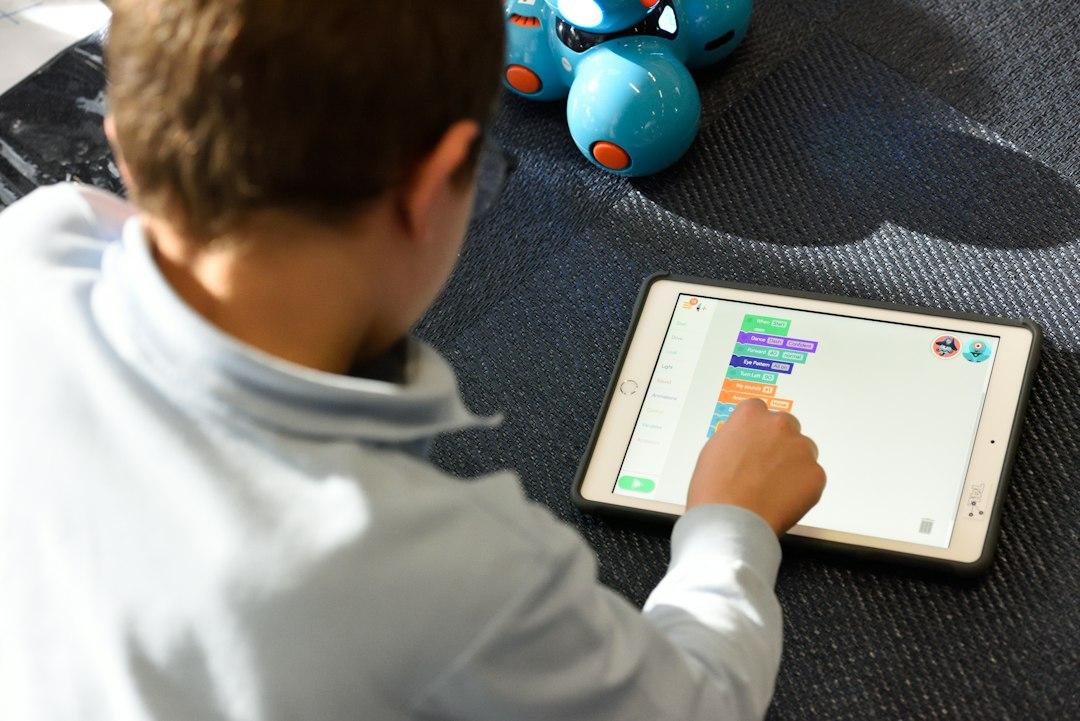
The purpose of an AI buildathon is to give kids an opportunity to build something that solves a problem in their world. They come with their ideas, and then they build.
That problem can be whatever they want. If they want to make a game they like and do not have to pay for, they can build that game. If they want to do something to help cure cancer, they can work on that.
The adults are there to support them and help them, but the kids need to do the work. Parents can come and be involved without taking over and making it the parents’ project, which we parents sometimes have a tendency to do.
These should be kid projects, not adult projects. There is no grade, no competition, and no question of who is best. The point is to build something that works for you and is meaningful to you. Your dad cannot build something that is meaningful for you. Only you can.
AI Should Expand What Kids Are Capable Of
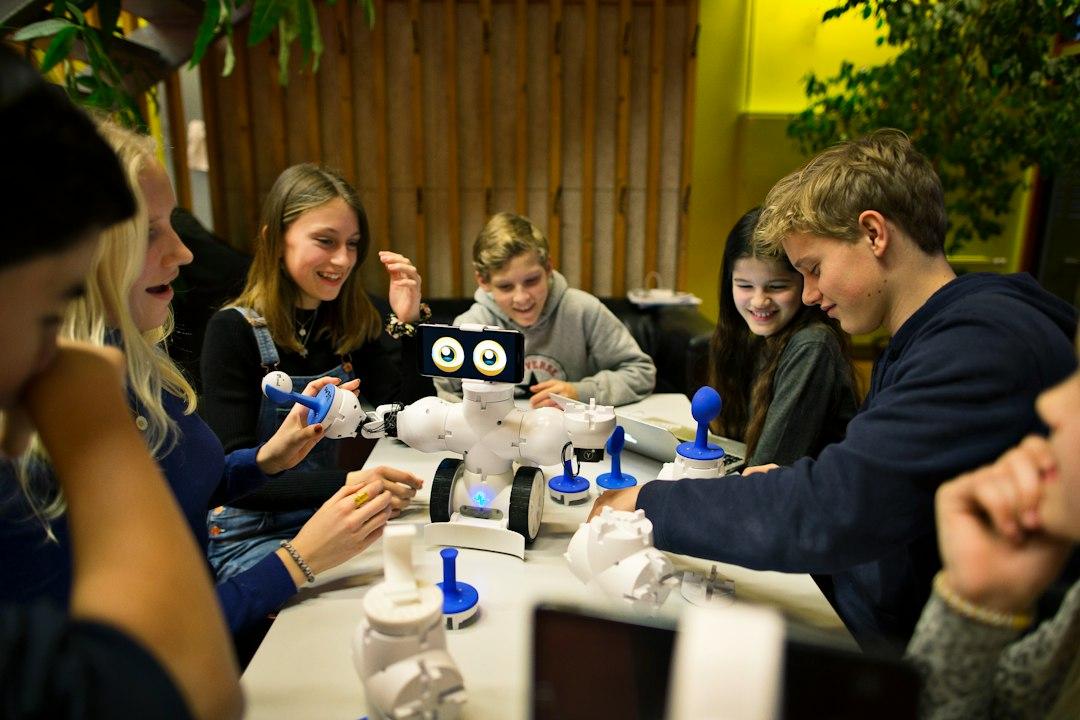
A lot of teenagers say that anything AI-generated is slop, and they do not like it. That is because it is what they are typically exposed to.
What they may not understand is that AI can be used to build a lot of things that are not slop. It can be something really valuable and meaningful. I want kids to have an experience that helps them see something valuable and worthwhile that can solve a problem for them, something they can enjoy using and enjoy making.
It goes back to the intention of how you use AI. If you are using it to create something that is only consumable, pointless, and meaningless, then it is a real drag. But that is true for anything. You can create an amazing book, or you can create a terrible book that is of no benefit to anyone.
The goal is to help kids create something that has value and is meaningful for them. I want them to see that they can use AI to expand what they are capable of rather than just use it as a consumption tool.
Creation Is Better Than Consumption

I definitely think AI-assisted creation is the future of what things will look like. In 1996, we did not know if this internet thing was going to stick around. Sure enough, it did, and now everybody uses the internet on a daily basis.
Even my 80-year-old mom uses the internet every day to find new quilting styles and strategies. I think AI is going to be the same way. We do not know exactly what that looks like, but we have an opportunity to say what it is going to look like in our own lives.
People use the internet only for consumption and streaming trash because that is what they have been exposed to. They have not learned how to use it to add value to their lives and to other people’s lives.
That is what we are trying to do with AI. Kids do not have to use it only for consuming. They do not have to use it just like a search engine. They can use it for something else.
The best way to understand that is to actually use it for something else, practice it, and put it into practice. Once you get a glimpse of what that future looks like, you start seeing how you can use AI all over the place for all kinds of different things.
We want our kids to be on the other side of the equation, creating the content that people are going to consume, because creation is way better than just consumption.
Whole Child Education Requires Intentional Family Involvement
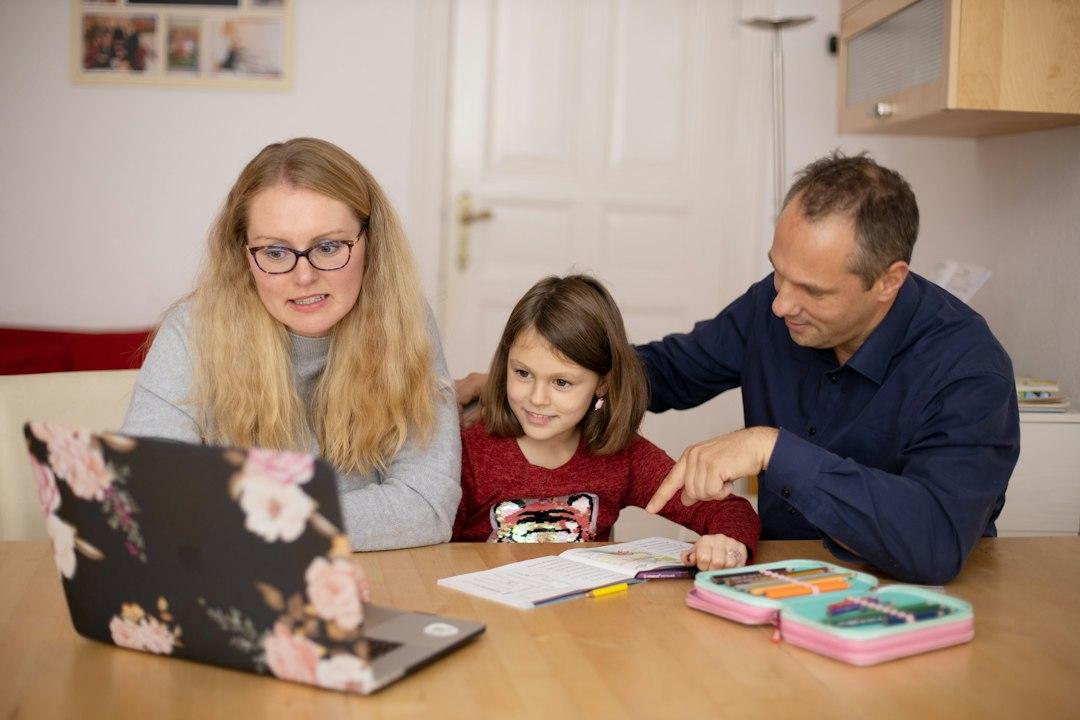
Project Paideia comes from the Greek word paideia, which basically means to raise up a child. Originally, it meant raising someone to be a citizen of a Greek city state.
The way I translate it today is to raise up the whole child and teach them everything they need to know to be a functioning and productive member of society. That includes carrying on the values and beliefs we want to continue long after we are dead.
The real focus of whole child education is that we do not want our kids to be like every other kid that comes out. We want them to be valuable, productive members of society who contribute, pave the way for others, help, have a good head on their shoulders, and make good decisions.
Education and learning are personal endeavors. They are best done when the family is involved in educating the whole child. You cannot outsource that to an education system. You can, but then you are not in control of it.
As a good parent, you need to stay in control and make sure that, even if public school is totally fine, it is not the only education your children are getting. Educating the whole child takes a long time, intentionality, and effort. We need to start from the moment our kids are born, and that continues throughout our lives as we help them grow into the kinds of people we believe they should be and that we are hopefully striving to become ourselves.
Schools Cannot Do Every Part of Whole Child Education
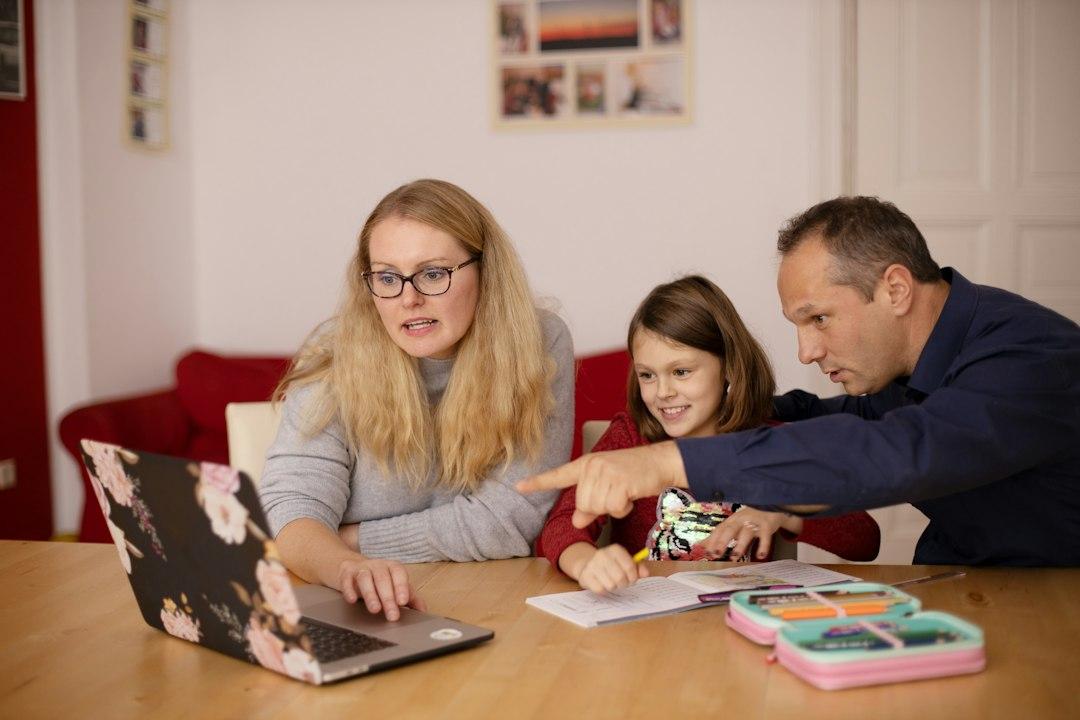
A lot of schools have tried to take a whole child approach, but there are some things that are not appropriate for a school to teach.
For example, schools should not teach children how to be religious in the religion they are a part of. Schools can teach about religions, but they should not instruct children in the way they should live their own religion. That is the family and the church’s responsibility.
I also believe we can reach out to lots of different groups to help teach our children. That is more than an okay thing. It is preferred.
It is much better to have a large network of different experiences and people who can help teach children how to become well-functioning adults. Some people create software, some make homeschool curriculum, and some make other things. An AI buildathon is one of many ways we can help our kids learn how to survive in the future.
Learning How to Learn Matters More Than Having One Teacher
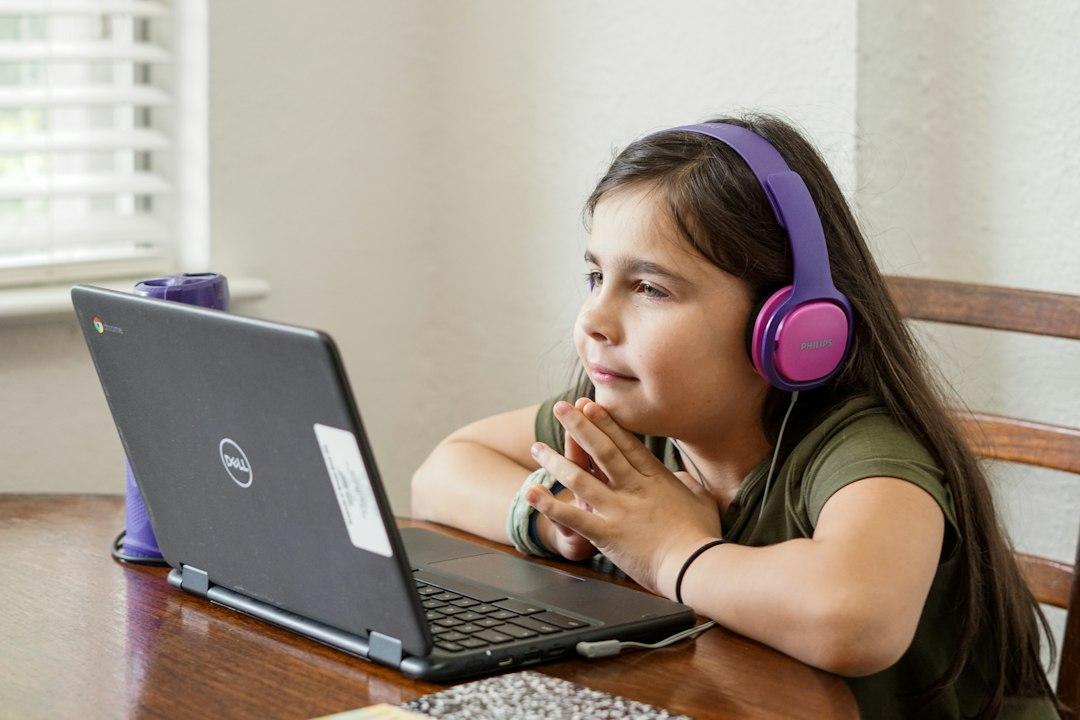
A core tenet of mine is that once you learn how to learn, you can learn anything. You no longer need a specific teacher.
AI accelerates that because it allows you to go from a concept or idea to an actually implemented thing in a very short amount of time. The real value is that you can have a lot of different ideas and experiences and work through those much faster with AI than you could otherwise.
When new technologies and opportunities exist, we should investigate and explore how they can benefit us, then decide whether they are for us.
Imagine that your family has been piano tuners your whole life, and you are raising your children to continue that work. If you have a tone-deaf kid like I am, technology can help. I cannot hear different notes unless I try really, really hard, and it is difficult for me to identify the difference. I do not notice when a piano is out of tune unless it is really bad.
But I can use technology to hear the tone of the piano and tell me whether it is a C-sharp, a C-flat, or a regular C. Technology can help me do that work.
When new technologies come out, we want to expose our kids to them in an appropriate way, help them see how they can use them in a beneficial and useful manner, and let them experience what that looks like.
AI Can Accelerate Learning Without Shortcutting It
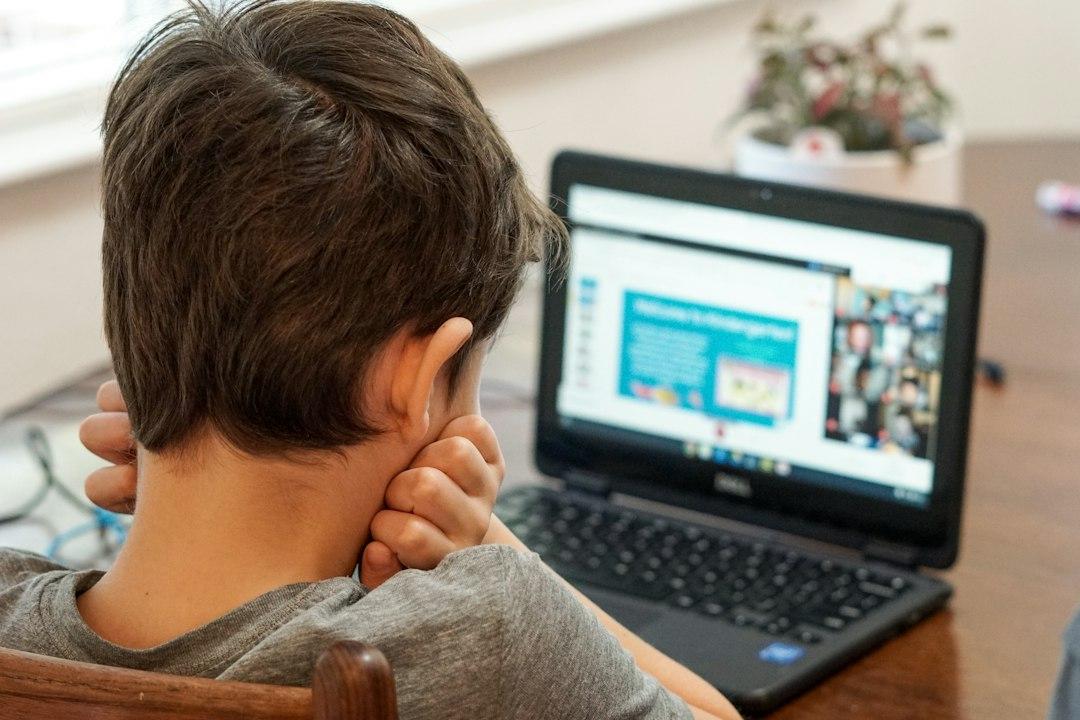
AI is allowing unprecedented amounts of creativity and creation that we have never had access to before. If a kid has an idea for a video game or a way to make a TV act in a certain way, that is now possible because of AI.
In the past, they would need a lot of other skills to do that. Now it can be as simple as saying, “This is what I want to happen,” talking that into the computer, and seeing it actually happen. That is a really valuable possibility for kids to see.
Right now, most schools are saying that if you use AI, then you are cheating. I think that is totally wrong. That is not necessarily the case.
If you are using AI to circumvent or shortcut the learning, then that is cheating in that particular sense. But if you are using AI to accelerate or expand, then that is certainly not cheating, because it is helping you do the thing you are actually trying to do.
Information is so plentiful now. It is a quick question away through a search engine or AI agent. If education and learning are not just about passing information from someone who knows to someone who does not, then what is really the point of education?
The Point of Education Is Creating Value for Others
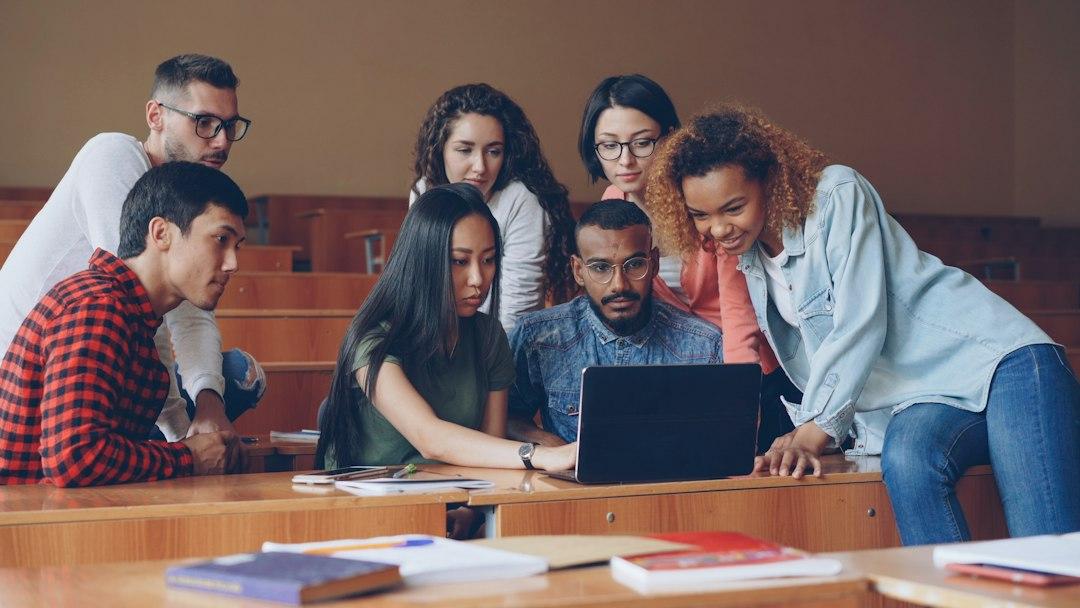
The point of education is learning to create something that gives value to other people and solves a problem they have.
That is why an AI buildathon matters. It gives kids an experience of seeing what it feels like to solve a problem for someone. It helps them practice ideating, trying something, seeing it fail, trying again, and doing something different.
Parents should be there to support their kids, but they should not put their hands on the keyboard. Let your kids do it. Let them fail, struggle, and figure out how to fix it.
There is a ton of learning available in that opportunity. It is not just about creating something with AI. It is about going through the whole process, and that process is really valuable.
Building Value Is the Habit That Carries Forward
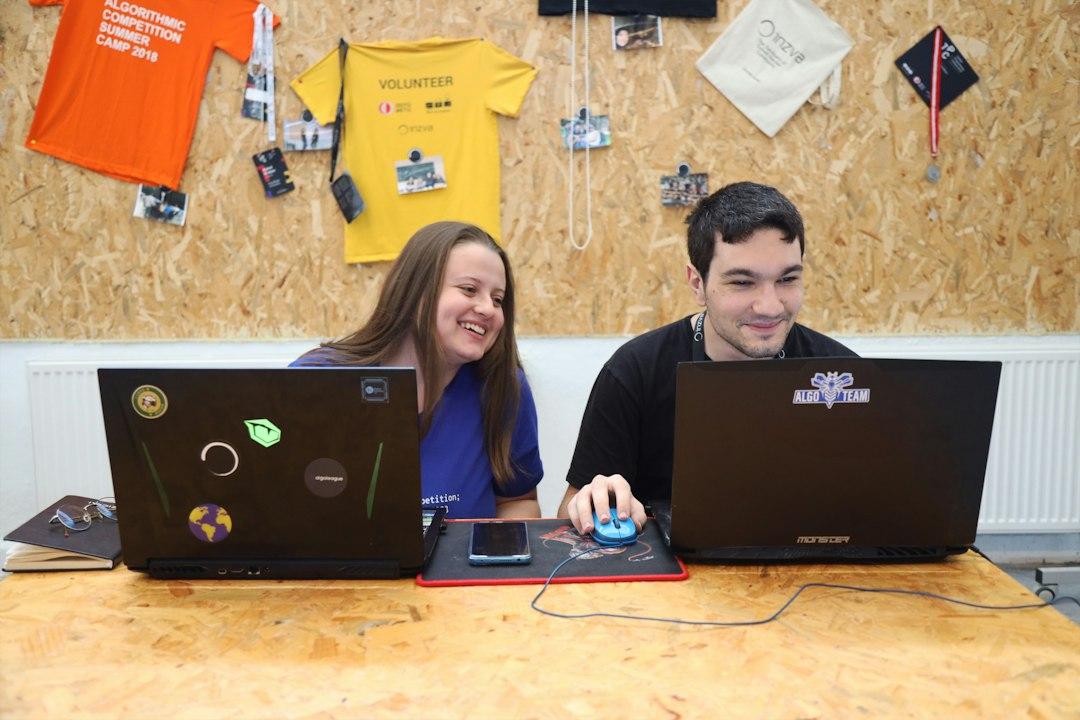
AI is not the final technology. Something else will come next.
The question is how we train ourselves and our kids to find whatever technology exists and use it to add value. That is what will keep people employed, happy, engaged, focused, and paying attention to what really matters.
Every technology can make some people less productive, while helping others become more productive and more valuable to themselves and their communities. I want kids to learn how to take these tools and use them in a positive way.
An AI buildathon gives them a place to begin. They can build something meaningful, learn through struggle, and see that technology can help them create value for themselves and for others.